
How to Match Glazed and Solid Interior Doors for a Cohesive Home Design
Author: yiwanjia Time: 2026-07-09 10:13:14
Choosing interior doors for an entire house, apartment development, or commercial project isn't simply about selecting attractive designs. For builders, developers, and door distributors, the bigger challenge is creating a consistent interior while meeting different functional requirements for every room.
Many procurement teams discover too late that mixing glazed interior doors with solid doors from different collections often leads to inconsistent finishes, mismatched panel designs, installation complications, and increased purchasing costs.
The most successful projects avoid these issues by treating all interior doors as part of one coordinated system.
When glazed and solid doors share the same design language, they create a seamless transition throughout the property while improving natural light, maintaining privacy, and enhancing the overall architectural appearance.
In this guide, we'll explain how professional builders and distributors choose matching glazed and solid interior doors that improve project efficiency, satisfy homeowners, and simplify large-scale procurement.
Is It a Good Idea to Mix Glazed and Solid Interior Doors? Absolutely. In fact, very few residential or commercial projects rely entirely on one type of interior door. Different rooms require different levels of privacy, lighting, and functionality, making a combination of glazed and solid doors the most practical solution.
The key isn't whether to mix them—it's how to ensure they complement each other.
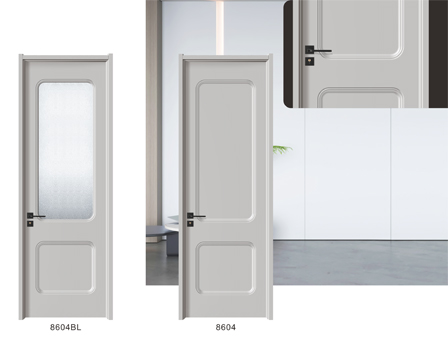
When both door types come from the same product series, they maintain consistent panel proportions, identical edge profiles, matching surface finishes, and coordinated hardware. This creates visual continuity across the entire property while allowing each room to perform its specific function.
For distributors, offering coordinated door collections also makes product recommendations much easier and increases average order value by encouraging customers to purchase complete door packages rather than individual products.
Large residential developments rarely use one door style throughout every room.
Different spaces have completely different functional requirements, including:
- Bedrooms requiring maximum privacy
- Bathrooms demanding moisture-resistant solid doors
- Hallways benefiting from additional daylight
- Home offices balancing privacy with openness
- Kitchens and dining rooms needing brighter visual connections
- Fire-rated corridors requiring certified door solutions
Because of these varying needs, professional builders often specify both glazed and solid interior doors within the same project.
When planned correctly, this combination provides several long-term advantages:
- Improves natural daylight distribution
- Creates a brighter, more spacious interior
- Enhances visual flow between connected rooms
- Preserves privacy where necessary
- Maintains architectural consistency throughout the building
More importantly, sourcing both door types from one manufacturer simplifies purchasing, quality control, installation scheduling, and after-sales service.
One of the most common procurement mistakes is selecting glazed doors and solid doors from separate suppliers simply because they appear similar online.
Unfortunately, small differences become obvious after installation.
These inconsistencies may include:
- Different panel dimensions
- Uneven rail and stile proportions
- Slight variations in wood grain texture
- Inconsistent paint colors
- Different glazing layouts
- Hardware compatibility issues
Across dozens—or even hundreds—of doors, these inconsistencies reduce the perceived quality of the entire project.
Professional manufacturers eliminate this risk by designing complete interior door collections that include both glazed and solid versions with identical construction details.
A coordinated collection typically offers:
- Matching panel configurations
- Uniform frame dimensions
- Consistent surface finishes
- Identical wood grain textures
- Compatible door hardware
- Standardized production quality
For distributors and developers, this approach reduces specification errors while improving installation efficiency.
Zhengzhou Shengyifa Industrial Co., Ltd., the famous brand of WPC door, WPC door skin, melamine door, melamine door skin manufacturer is located in Zhengzhou city, Henan province. Zhengzhou Shengyifa have the advanced microwave press, CNC engraving machine, electronic and four-sided saw, edge banding machine and First-class wooden door production lines, with independently developed ERP system, effectively improve production efficiency and ensure product quality. We have hundreds of door designs and colors to meet your different requirements. Customized designs and colors is available to us. We have strict QC point from raw material to finished products to ensure a good quality. With our creative and responsible engineering team supporting and strong after-sale service, we are ready for establishing a good first-cooperation with you.
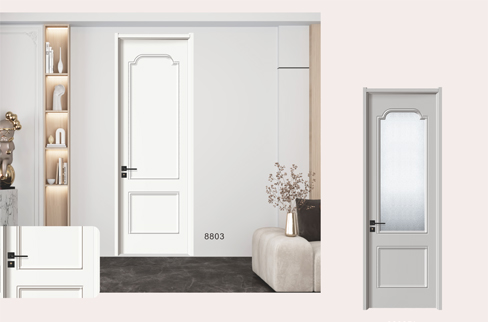
Glass interior doors should never be viewed as purely decorative. They are practical design solutions that solve common architectural challenges.
Modern glazed interior doors can significantly increase the amount of natural light entering darker areas without sacrificing room separation.
This becomes particularly valuable in:
- Hallways with limited daylight
- Kitchen-to-dining transitions
- Living room entrances
- Home offices
- Stair landings
- Open-plan residential layouts
With options including clear glass, frosted glass, decorative glass, and partially glazed panels, builders can balance privacy, sound insulation, and aesthetics according to each project's requirements.
For developers, brighter interiors also improve buyer perception, making properties appear larger, more open, and more valuable.
While glazed doors maximize openness, solid interior doors remain essential wherever privacy, acoustic performance, or security is the priority. They are generally recommended for:
Bedrooms
Bathrooms
Utility rooms
Storage areas
Mechanical rooms
Fire-rated applications
High-quality solid core doors also provide better sound insulation, making them ideal for family homes, hotels, apartments, and office environments.
Combining solid and glazed doors within the same product range allows every room to perform its intended function without compromising the overall interior design.
When sourcing interior doors for large residential or commercial projects, experienced procurement teams evaluate more than appearance. Important considerations include:
- Whether glazed and solid versions belong to the same collection
- Manufacturing consistency across production batches
- Availability of custom sizes
- Fire-rated certification options
- Moisture-resistant construction
- Lead time for bulk orders
- Hardware compatibility
- Stable long-term supply capacity
Choosing a manufacturer capable of supplying complete door systems rather than individual products helps reduce procurement complexity while ensuring consistent quality throughout the project lifecycle.
Matching glazed and solid interior doors is about much more than aesthetics. For builders, developers, and distributors, it is an effective strategy for creating visually consistent interiors, simplifying procurement, reducing installation challenges, and improving long-term project value.
By selecting both door types from a coordinated product collection, you can achieve the ideal balance between natural light, privacy, functionality, and architectural harmony—while making project management significantly more efficient.
Whether you're supplying a single luxury residence or a multi-unit development, investing in a unified interior door solution delivers benefits that extend far beyond appearance.
TAG: wpc profiles glass doors interior door wood door china door door factory door manufacturer bathroom door barn door